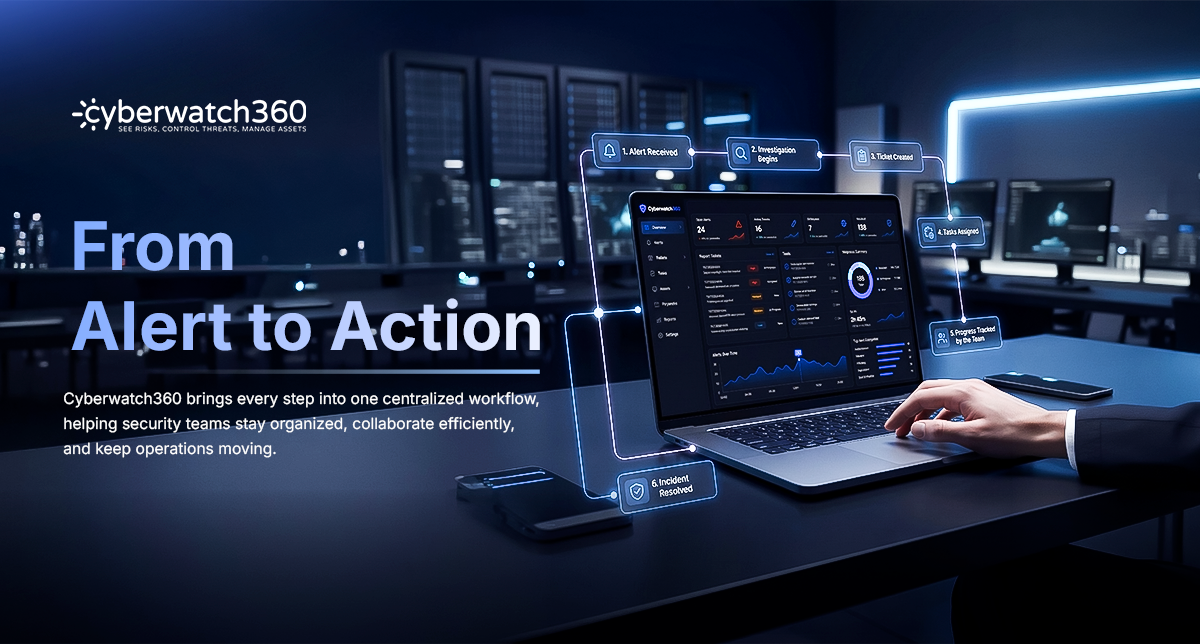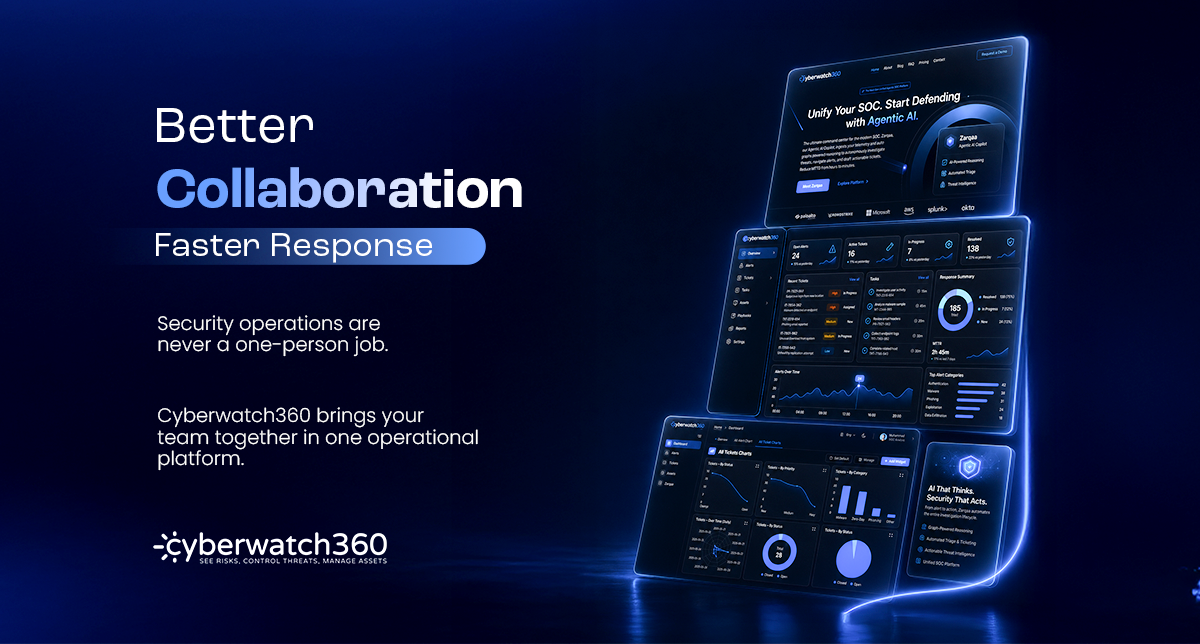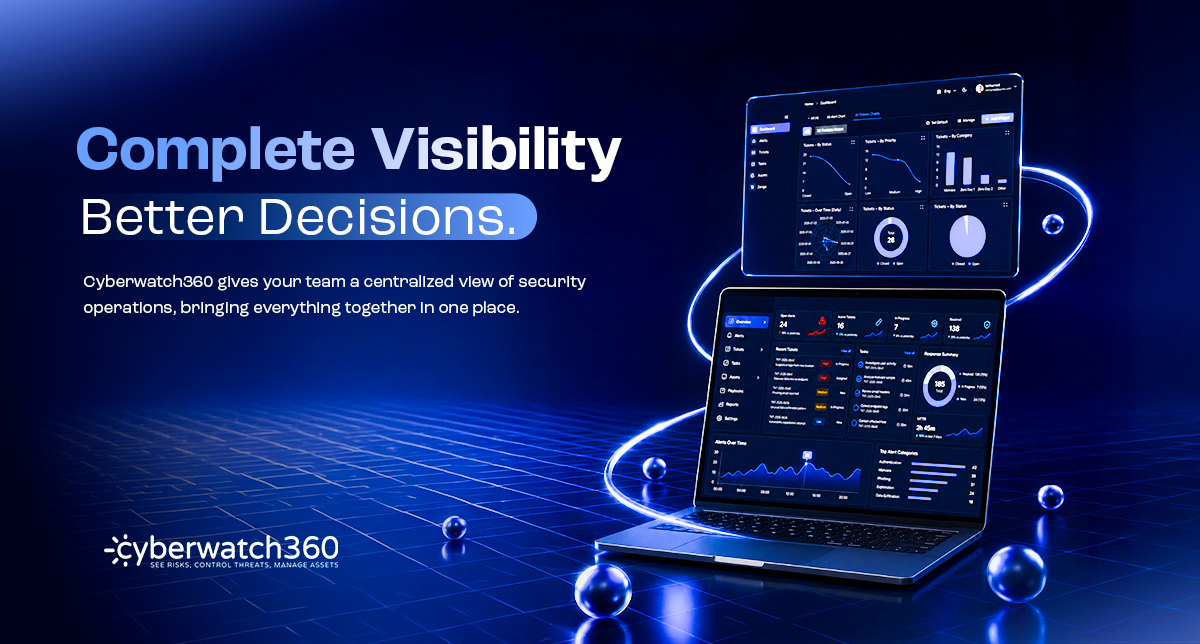
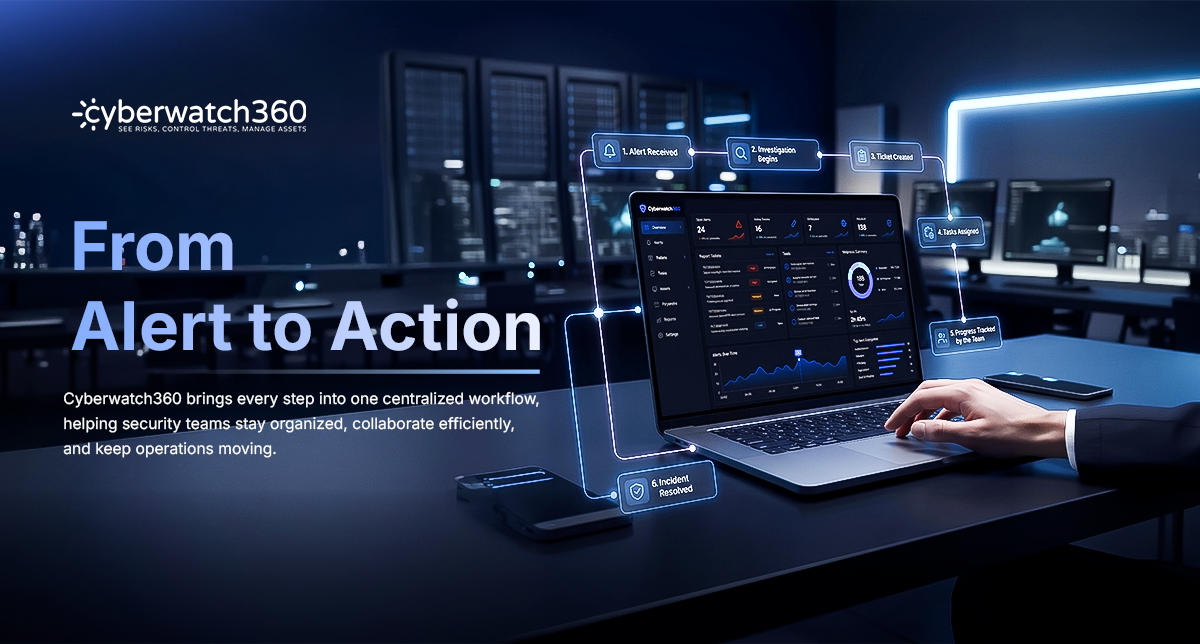
Modern security teams are not short on alerts. They are short on time, visibility, and efficient workflows. Every day, a Security Operations Center (SOC) may need to review security alerts, investigate potential threats, create tickets, assign tasks, coordinate across team members, and track incidents through resolution. The challenge is that these activities often happen across disconnected tools. An alert may start in one system. The investigation happens somewhere else. A ticket is created manually in another platform, while tasks are assigned and tracked separately. As the incident progresses, analysts spend valuable time moving information between systems instead of focusing on the threat itself. For modern security operations, detecting an alert is only the beginning. The real question is: What happens next? The Real Challenge Starts After the Alert Security operations are built around a simple objective: identify genuine threats and respond to them efficiently. But the operational process between detection and resolution can become complicated. A typical incident workflow may involve: 1. Receiving an alert 2. Beginning an investigation 3. Creating a ticket 4. Assigning tasks to the appropriate team members 5. Tracking progress 6. Resolving and documenting the incident Individually, each step is straightforward. The problem emerges when every step depends on a different system or manual handoff. Fragmented tools can create unnecessary operational work, make collaboration more difficult, and slow the overall response process. For teams already dealing with alert overload and limited cybersecurity resources, this creates additional pressure. That is why modern security operations increasingly require more than detection capabilities. They require a connected workflow. Why a Unified Platform Matters for Security Operations A unified platform brings the operational workflow together instead of forcing security teams to manage every stage separately. Rather than treating alerts, tickets, and SOC tasks as independent activities, the workflow becomes connected from the moment an alert is received until the incident is resolved. This creates a more straightforward operating model: Alert → Investigation → Ticket → Tasks → Progress → Resolution The value is not simply having multiple features in one product. The value comes from connecting those features into one operational process. For a Security Operations Center (SOC), that means less time spent managing the workflow itself and more time available for investigating meaningful threats. From Alert to Resolution Without Unnecessary Handoffs Consider what happens when a potentially important alert reaches a security analyst. In a disconnected environment, the analyst may need to move between several systems to investigate the alert, create a ticket, assign work, and monitor progress. With Cyberwatch360, these activities are brought together within a centralized workflow. 1. Alert Received The process begins when a security alert reaches the platform. Instead of treating the alert as an isolated event, Cyberwatch360 provides the foundation for taking it through the rest of the incident workflow. 2. Investigation Begins The security team investigates the alert and determines what requires attention. Cyberwatch360's AI capabilities are designed to help teams filter noise, highlight real threats, and prioritize incidents more effectively. This is where advanced Artificial Intelligence becomes valuable: not as a replacement for the security team, but as a force multiplier that helps analysts focus their attention where it matters most. 3. Ticket Created Once an incident requires action, the workflow can move from alert to ticket without creating an unnecessary operational gap. This connects detection with incident management and gives the team a clear record of the issue being investigated. 4. Tasks Assigned An incident often requires more than one action. Different members of the security team may need to investigate, validate, contain, document, or follow up on different aspects of the incident. By bringing tasks into the same platform, Cyberwatch360 helps teams organize responsibilities and maintain visibility over ongoing work. 5. Progress Tracked Incident management does not end when tasks are assigned. Security teams need to know what has been completed, what remains open, and where an incident stands in the overall workflow. Keeping alerts, tickets, and tasks connected provides a clearer operational view without requiring teams to constantly switch between systems. 6. Incident Resolved The final objective is resolution. By connecting the workflow from the original alert through investigation, task management, and resolution, security teams can maintain a more consistent process for handling incidents. The result is a workflow designed around the way security teams actually operate—not around the limitations of disconnected tools. How AI Supports a More Efficient SOC A modern SOC has to deal with more information than a security team can reasonably process manually. This is where AI can serve as a practical force multiplier. Cyberwatch360 uses advanced Artificial Intelligence to help security teams reduce noise, identify meaningful threats, and improve the efficiency of their operations. Its approach is focused on helping teams: ● Reduce false alerts ● Prioritize genuine threats ● Reduce repetitive manual work ● Improve detection and analysis ● Respond faster to incidents The objective is not simply to add AI to an existing security stack. It is to make the overall security operation more efficient. By combining AI capabilities with a unified operational workflow, Cyberwatch360 helps connect intelligent analysis with the actions that follow. Reducing Operational Complexity One of the biggest challenges facing modern SOCs is not necessarily the lack of security tools. It is having too many disconnected tools. A security team may already have systems for monitoring, detection, ticketing, task management, and other operational requirements. The challenge is making those systems work together without adding unnecessary complexity. Cyberwatch360 takes a different approach. The platform brings alerts, ticketing, and SOC tasks together in one place, creating a centralized environment for incident management and daily security operations. This can help organizations reduce the operational burden associated with fragmented workflows and minimize the need for teams to constantly move information from one system to another. For organizations with lean security teams, this can be especially valuable. Supporting Smaller Security Teams Not every organization has the resources to build and operate a large 24/7 SOC. Many smaller and medium-sized organizations rely on limited technical teams that are responsible for multiple areas of IT and security. For these teams, efficiency becomes critical. A platform that acts as a force multiplier can help a small team manage security operations more effectively by reducing repetitive work and providing a centralized workflow. Instead of adding more operational complexity, the objective is to give the existing team a clearer and more efficient way to work. This is particularly relevant for organizations looking for practical security capabilities without the complexity associated with large, highly fragmented security environments. Faster Time-to-Value Security technology should not only be powerful. It should also be practical to operate. One of the strategic priorities identified for Cyberwatch360 is time-to-value: helping organizations achieve operational value quickly rather than spending excessive time dealing with complex deployments and fragmented workflows. Cyberwatch360 is designed around a unified workflow that connects alert, ticket, task, and service management capabilities. This means teams can focus on improving their security operations rather than spending unnecessary time coordinating between disconnected systems. For businesses, that translates into a more straightforward path from implementation to operational benefit. From Alerts to Action Instantly An alert by itself does not improve security. The value comes from what the security team does with it. A strong security operation needs a clear path from detection to investigation, from investigation to action, and from action to resolution. That is the principle behind Cyberwatch360. By combining a unified platform, advanced Artificial Intelligence, and connected incident management workflows, Cyberwatch360 helps security teams move beyond simply managing alerts. It helps them turn alerts into organized action. Alert received. Investigation starts. Ticket created. Tasks assigned. Progress tracked. Incident resolved. One platform. One connected workflow. Less operational friction. Ready to Streamline Your Security Operations? If your security team is spending too much time moving between tools, managing tickets manually, or coordinating incident-related tasks, it may be time to rethink the workflow itself. Cyberwatch360 helps bring the operational side of security together in one intelligent platform so your team can spend less time managing processes and more time focusing on real threats. Request a Cyberwatch360 demo or consultation and discover how you can move from alerts to action, instantly. #Cyberwatch360 #SecurityOperations #SOC #IncidentManagement #CyberSecurity #SecurityAutomation #ThreatDetection